Press Center
Protection from UAVs: «R&D Center «Kazakhstan Engineering» LLP has received a patent for a new development
News
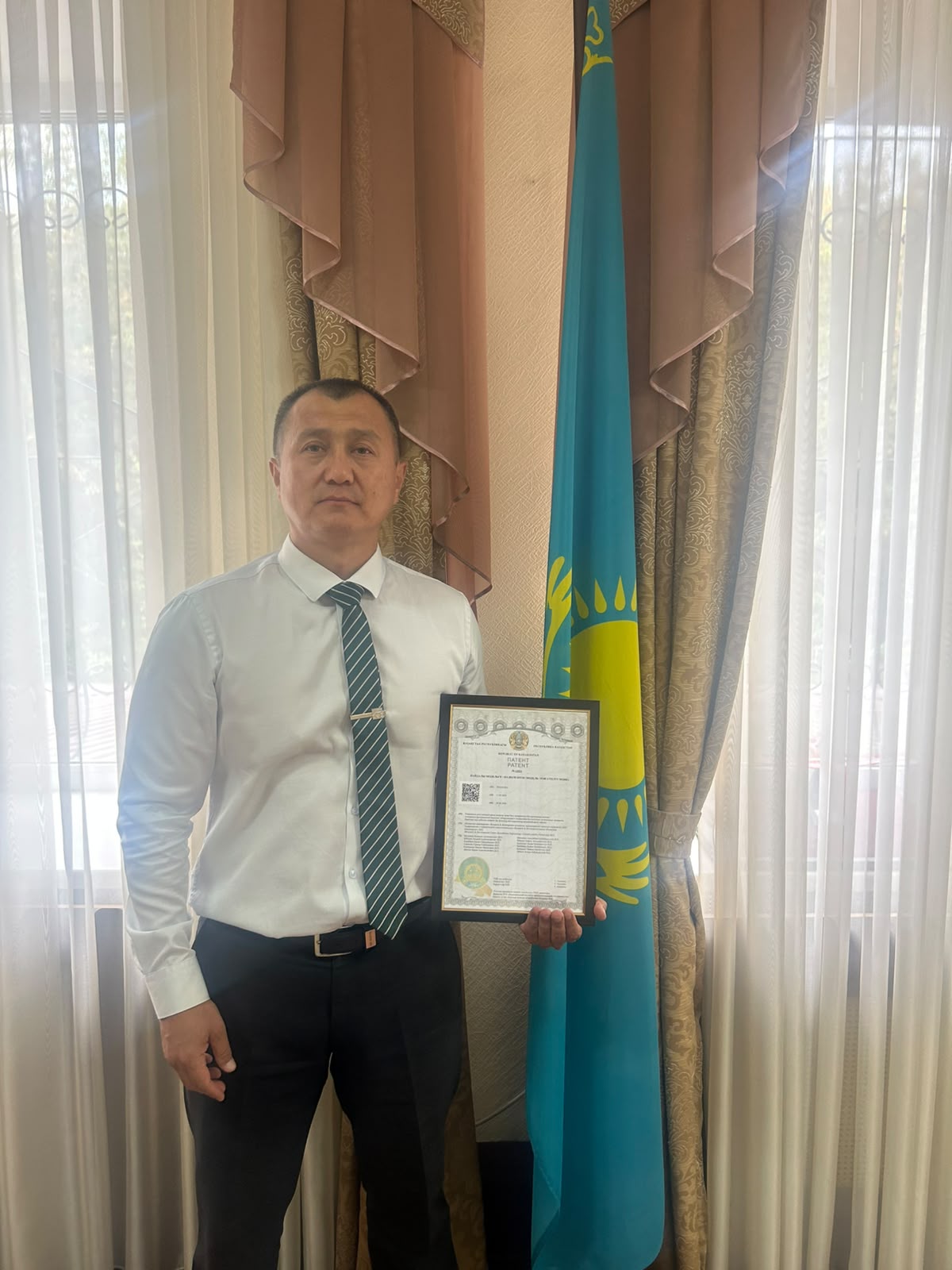
With the support of the Science Committee of the Ministry of Science and Higher Education of the Republic of Kazakhstan, the specialists of «R&D Center «Kazakhstan Engineering» LLP (hereinafter referred to as the "Center") have developed a hardware and software package within the framework of the IRN AP234045/0223 project that combines the functions of detecting radio signals from unmanned aerial vehicles, determining the direction to the signal source and electronic countermeasures.
The development received the patent of the Republic of Kazakhstan No. 12821 for the utility model "Hardware and software complex for detecting and suppressing unmanned aerial vehicles", issued on August 28, 2026.
A unified system for detection and counteraction
The development of unmanned technologies increases the requirements for the means of detecting and protecting them from potential threats. One of the important directions is the creation of systems capable of quickly detecting electronic activity associated with UAV control, determining the direction to the signal source and promptly responding to a detected threat.
The solution proposed by the Center's specialists combines these capabilities in a single hardware and software package. This reduces the time between the detection of the signal and the beginning of the electronic impact.
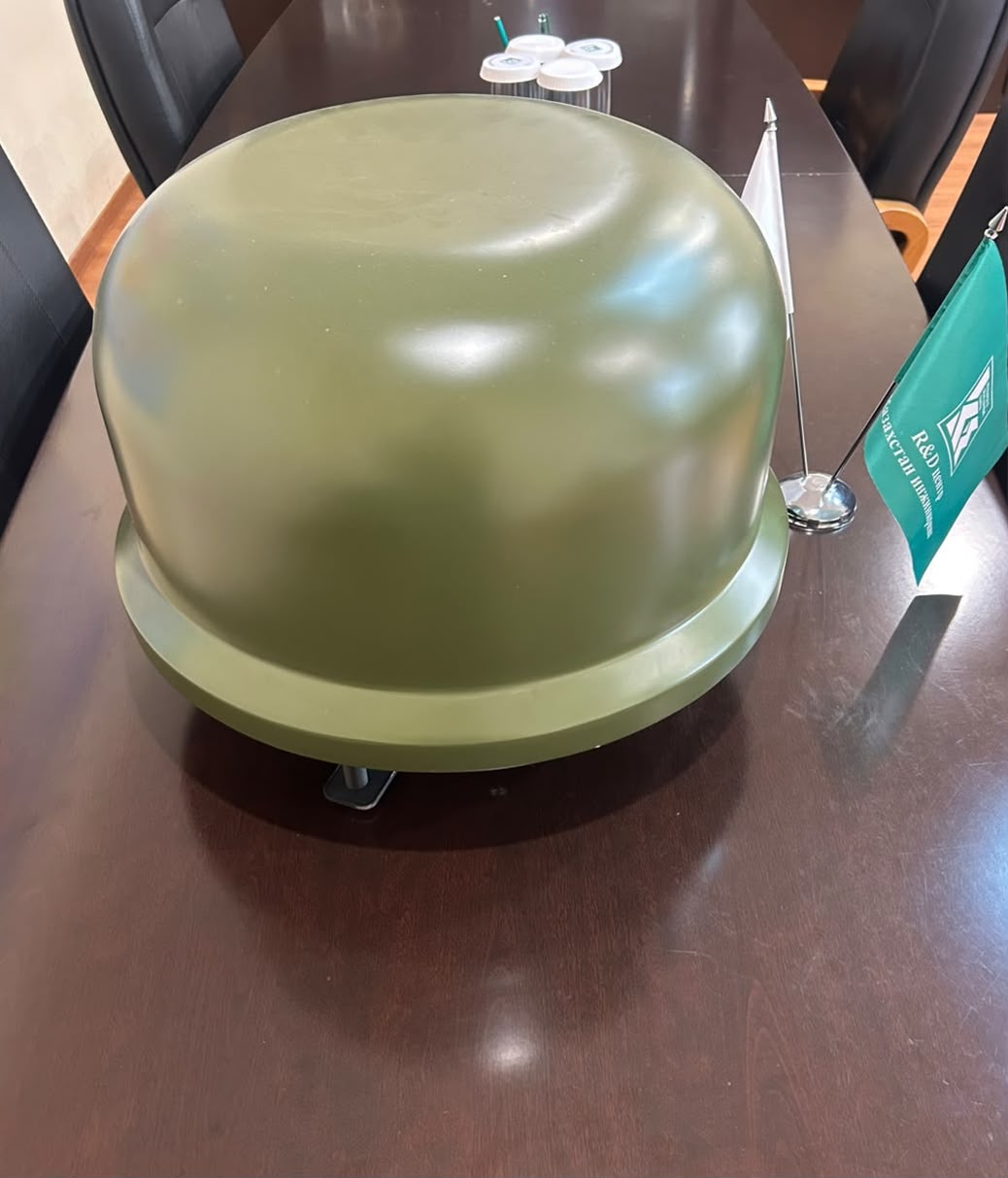
The main features of the complex
The development provides a number of functional features:
- Detection of UAV control radio signals. The complex detects the corresponding radio-electronic activity and records the presence of control signals for unmanned vehicles.
- Determining the direction of the signal source. The system allows you to set the direction from which the detected radio signal is coming, which helps to assess the current situation.
- Omnidirectional electronic warfare. The interference effect can be generated in an omnidirectional mode without the need to first point the antenna system directly at a specific UAV.
- Increased performance. The architecture of the complex is focused on reducing the reaction time from the moment of signal detection to the implementation of counteraction.
- Simultaneous operation with multiple UAVs. The technical solution provides for the possibility of electronic countermeasures against several unmanned vehicles located in different directions.
Thus, the complex is focused not on working with only one potential target, but on application in conditions of simultaneous appearance of several sources of threats.
From a scientific idea to an engineering solution
The development was created within the framework of the IRN AP234045/0223 project "Development of a software and hardware complex for electronic countermeasures of UAVs for special-purpose combat vehicles".
The project is being implemented in 2024-2026 with grant funding from the Science Committee of the Ministry of Science and Higher Education of the Republic of Kazakhstan.
The work on the project combines competencies in the field of radio electronics, radio signal processing, software and automation. The obtained result demonstrates the practical orientation of the research and the possibility of moving from scientific development to a specific engineering solution.
Importance for domestic technologies
For Kazakhstan, the development of its own competencies in the field of radio electronics and unmanned systems is of strategic importance. The creation of domestic solutions allows not only to form technological independence, but also to develop the scientific and engineering base for subsequent military and dual-use developments.
Obtaining patent No. 12821 was one of the results of "R&D Center"Kazakhstan Engineering" LLP's research and development activities. The development of the complex contributes to the development of domestic technologies for detecting and electronically countering unmanned threats.
For reference: The authors of the development: Mukushev Asemkhan, Bebenin Andrey, Kazhibaev Kanat Sailaubayevich, Serikkhan Sunkar, Kalipanov Maksat, Abenov Arman. The full description of the utility model is available in the State Register of Utility Models of the Republic of Kazakhstan.